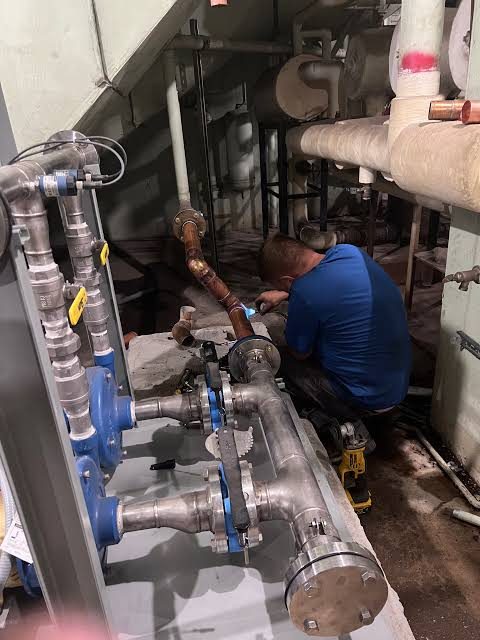
Plumbing is one of the least visible systems in a building and one of the most expensive to fix after handover, since most of it is embedded in walls and slabs. Getting demand calculation and storage sizing right under NBC Part 9 at design stage is far cheaper than correcting undersized risers or inadequate storage after occupancy.
NBC-based demand calculation starts from occupancy-based per-capita consumption norms (which vary by building type — residential, commercial, institutional) and peak-hour factors, not from an average daily-use figure. Sizing storage and pumping to an average rather than a peak-hour demand is a frequent cause of pressure complaints during actual peak-usage windows, even when the annual average consumption looks perfectly adequate.
NBC guidance and most municipal building bylaws require a minimum number of hours or days of storage (typically split between underground and overhead tanks) to buffer against supply interruptions. Oversizing storage adds unnecessary structural and space cost; undersizing it means occupants feel every municipal supply interruption directly. The right sizing balances the specific reliability of the local water supply against space and structural cost constraints, rather than defaulting to a fixed number regardless of context.
Material selection (CPVC, UPVC, GI, or in some applications copper) should be matched to water quality, pressure rating and, for hot water lines, temperature rating — using a single material sitewide regardless of application is a common source of premature failure. Riser design also needs to account for pressure-reducing valves on lower floors of tall buildings and adequate venting throughout, both of which are far cheaper to build in at design stage than to retrofit into occupied risers later.
Volz designs, supplies, installs and commissions this scope under one contract, engineered to recognized codes and standards for facilities across Pan India, Nepal, Bhutan and Bangladesh.