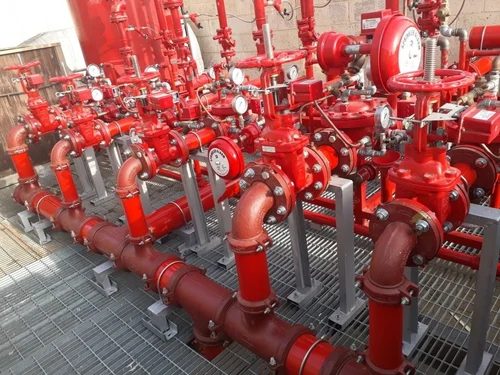
NFPA 13 Sprinkler System Design: A Practical Checklist for Indian Industrial Facilities
A practical checklist for NFPA 13-compliant sprinkler system design in Indian industrial and commercial facilities — hazard classification, hydraulic calculation, water supply and commissioning.
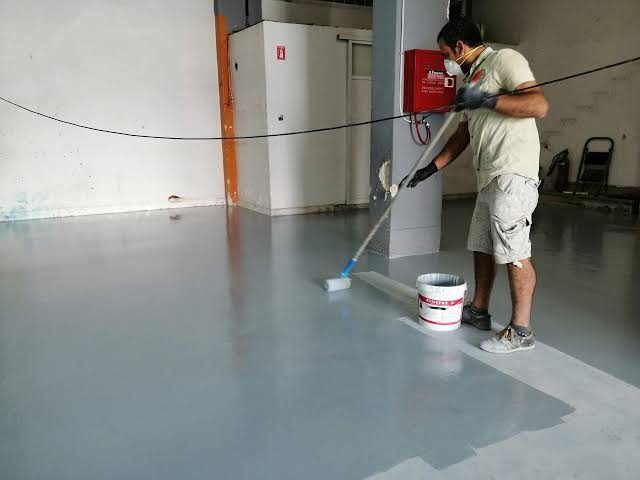
Epoxy vs. Polyurethane Flooring: Choosing the Right System for Your Facility
How to choose between epoxy and polyurethane (PU) industrial flooring based on thermal shock, chemical exposure, foot/wheel traffic and hygiene requirements.
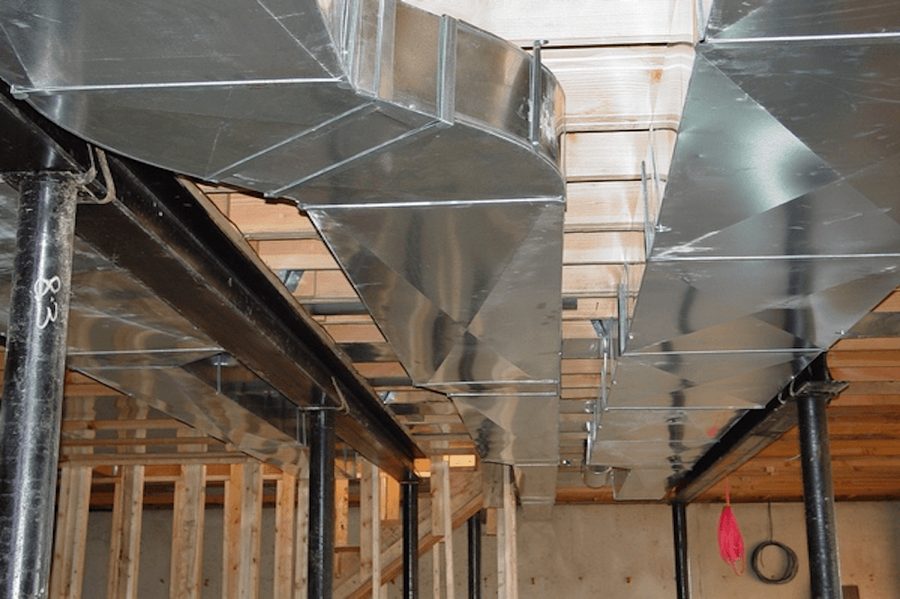
ASHRAE-Based Cooling Load Calculations for Data Centers in South Asia
Why data center HVAC in India, Nepal and Bhutan needs a proper ASHRAE cooling load calculation rather than a rule-of-thumb tonnage estimate, and what changes at altitude and in monsoon climates.
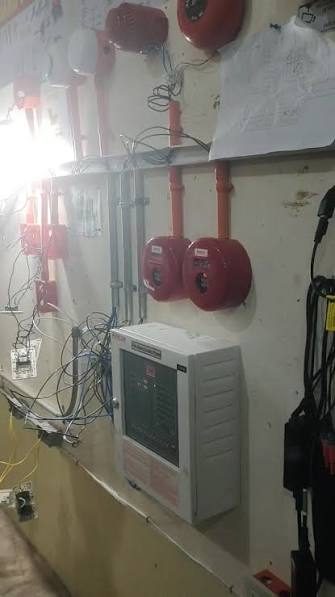
Addressable vs. Conventional Fire Alarm Panels: Which Does NFPA 72 Favor for Your Building?
The practical difference between addressable and conventional fire alarm systems under NFPA 72, and how facility size and zoning requirements should drive the choice.
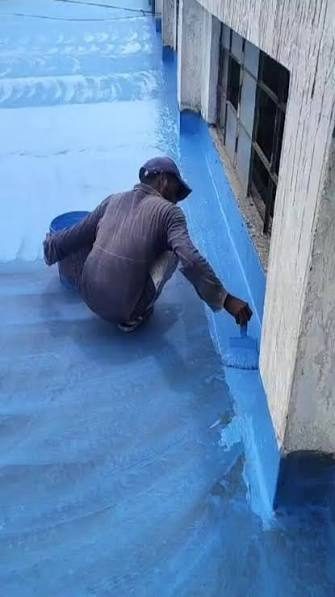
Waterproofing Basements and Tunnels Against Hydrostatic Pressure
How hydrostatic pressure changes basement and tunnel waterproofing design, and when to use positive-side membranes versus negative-side (interior) drainage systems.
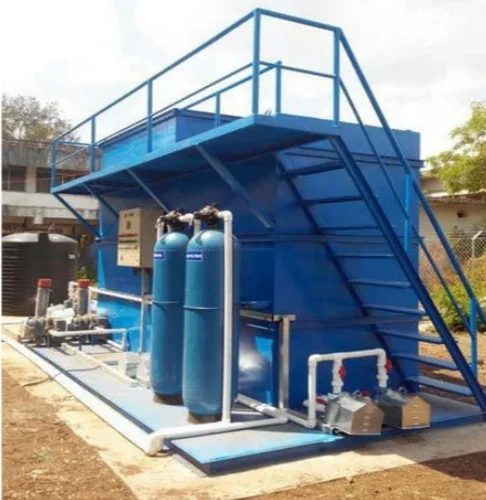
Sewage & Effluent Treatment Plant Compliance: Pollution Control Board Norms Explained
What Indian Pollution Control Board consent-to-operate norms require of an STP or ETP design, and the common compliance gaps that cause facilities to fail inspection.
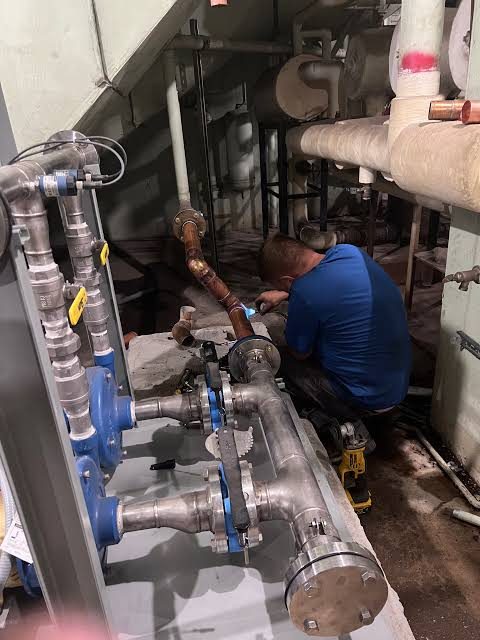
Water Supply & Plumbing Design Under the National Building Code
How the National Building Code of India governs water supply and plumbing design — demand calculation, storage sizing, and pipe material selection.
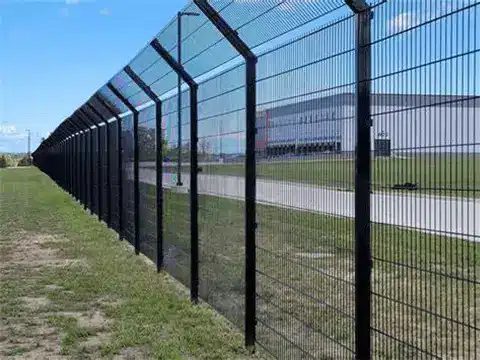
Anti-Climb Mesh vs. Palisade Fencing: Securing Industrial and Data Center Sites
Comparing anti-climb mesh and palisade fencing for industrial, warehouse and data center perimeter security, and how to match fencing type to threat level.
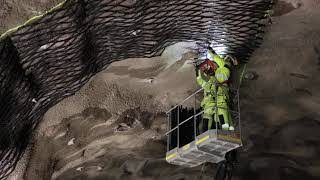
Negative-Side Drainage Systems for Tunnels and Basements: When and Why
When negative-side (interior) drainage systems are the right engineering choice for tunnels and basements, and how they differ from positive-side waterproofing membranes.
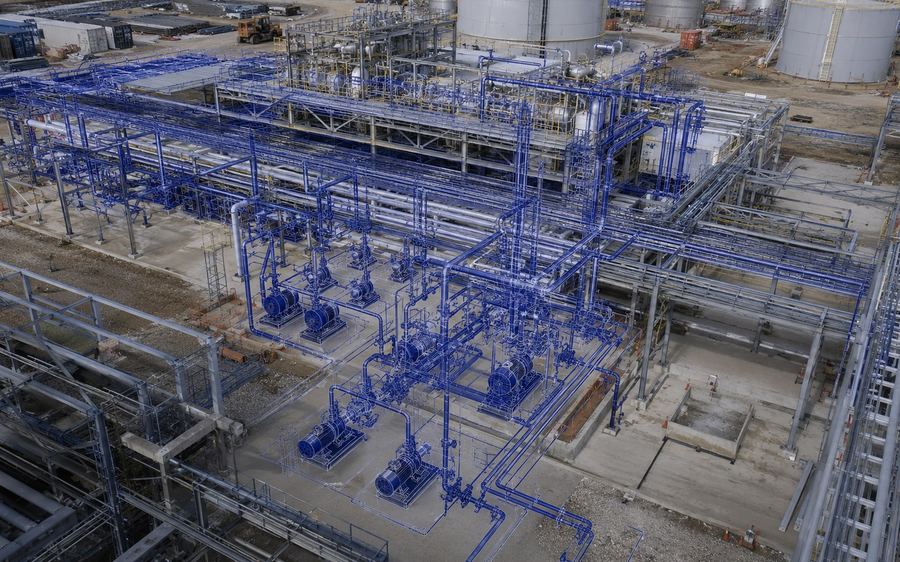
MEP & Engineering Contracting in Nepal: What Developers Should Know Before Breaking Ground
What real estate developers and facility owners in Nepal should know about MEP engineering standards, seismic considerations, and contractor selection before starting construction.
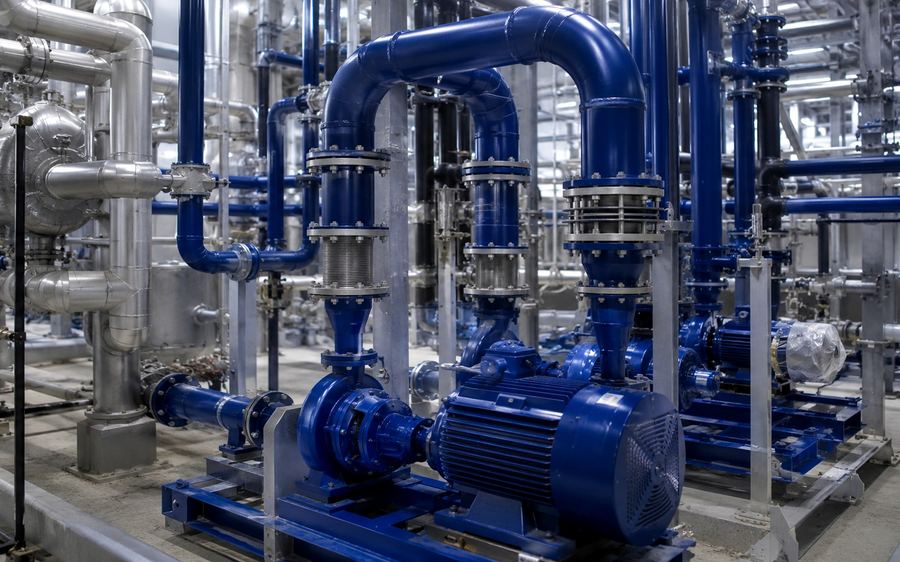
Bhutan's Infrastructure Growth: MEP Considerations for Hydropower and Data Center Projects
MEP engineering considerations for Bhutan's growing hydropower and data center infrastructure, including altitude, environmental regulation, and logistics.
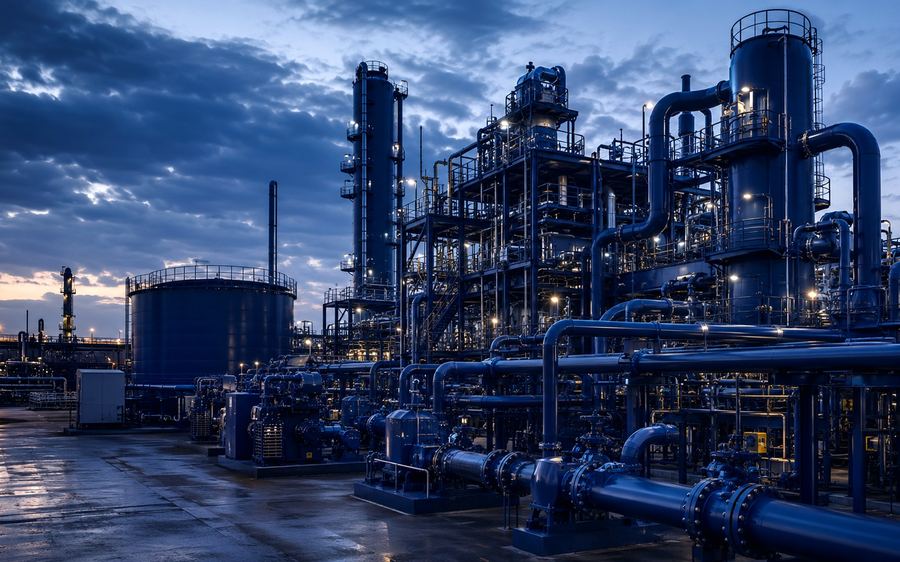
Why Design-Build MEP Contracting Reduces Project Risk
How single-point design-build MEP contracting reduces schedule risk, coordination failures and finger-pointing compared to managing separate trade contractors.